How self-watering pots actually work

A self-watering pot is two pots in one: an inner pot holding the soil, and a reservoir underneath holding water. A wick or a soil column connects them, and the plant draws water up as the soil dries.
What the indicator tells you
The float shows the level in the reservoir, not the moisture in the soil. Fill when it reads empty, then leave it alone. Topping up daily because the number moved is exactly what you are trying to stop doing.
Mistake one: filling from the top forever
Water the soil from above for the first two or three weeks after potting, until roots reach down to the wick. After that, fill the reservoir instead. If you keep watering from the top, the roots never grow downward and the reservoir does nothing.
Mistake two: never emptying it
Rinse the reservoir every few weeks. Water standing for months grows algae, and in the monsoon a full reservoir plus humid air keeps the soil wetter than the plant wants.
What suits them
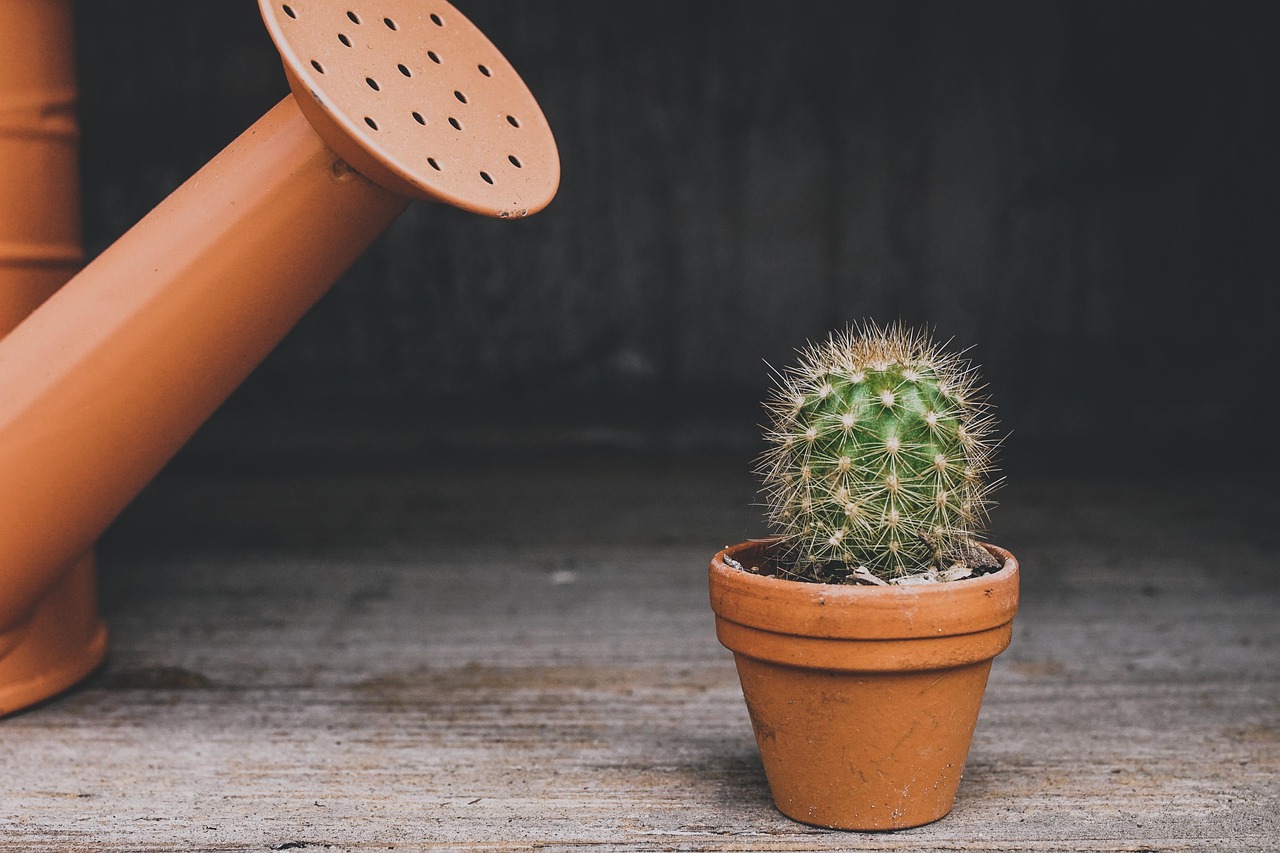
Plants that like even moisture — peace lilies, ferns, most foliage plants. Succulents and cacti do not want a permanent water supply and are better in terracotta.
What is in the box
Our self-watering listings state the pot sizes, whether an indicator is fitted, and how many pots are in the set. Plants and soil are not included.
No account yet?
Create an Account