Ceramic, plastic or concrete: what each one is good at

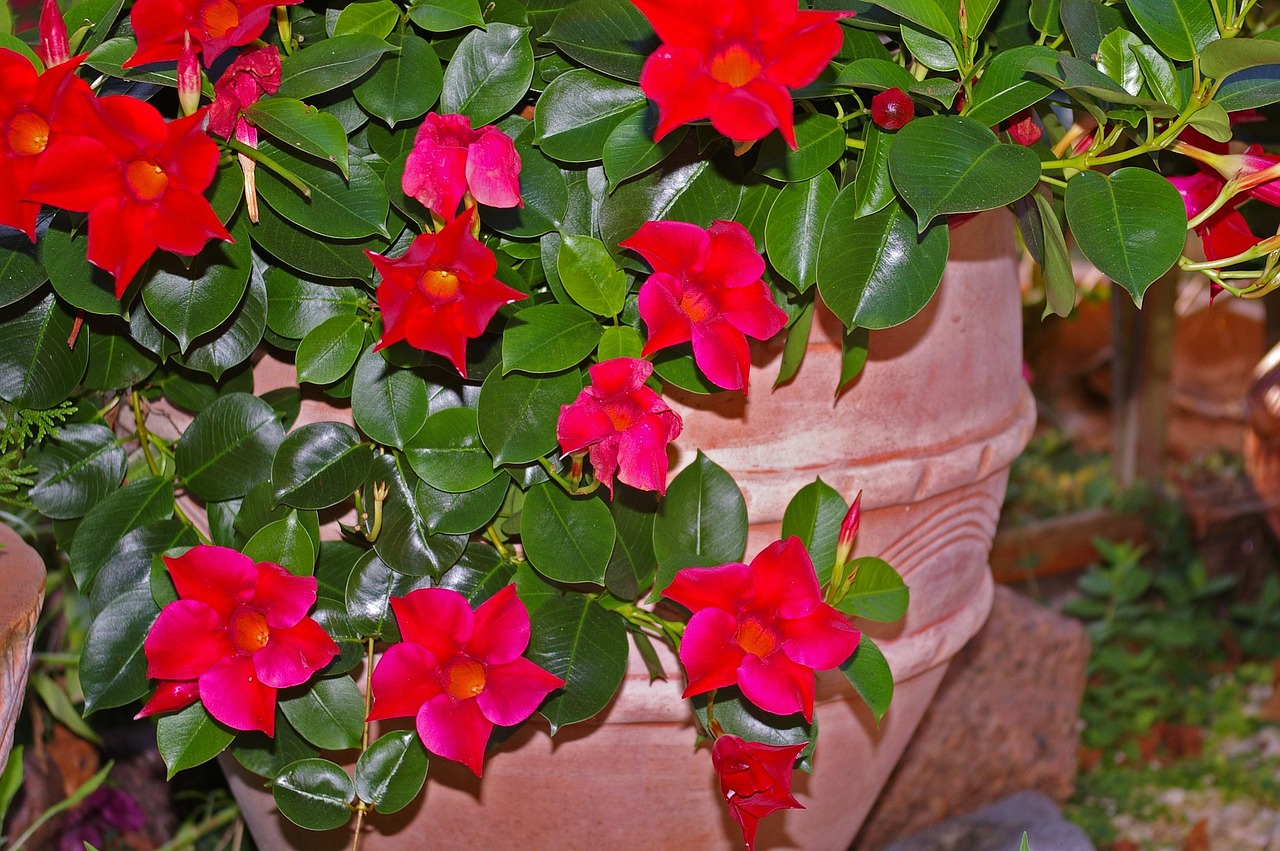
Material decides more about how a pot behaves than shape or colour does.
Terracotta and unglazed clay
Porous, so it breathes and dries out faster. That is an advantage for succulents, cacti and anything you tend to overwater, and a nuisance for thirsty plants in a hot flat. It is also the material most likely to leave a white mineral bloom on the outside — that is salt from the water, not a fault.
Glazed ceramic
Sealed, so it holds moisture longer than terracotta and looks like furniture rather than equipment. Heavy, which keeps a top-heavy plant upright, and brittle if it meets a hard floor.
Plastic
Light, cheap, and it does not break when a balcony gets windy. It holds moisture well. The honest drawback is that colour fades in direct sun over a few seasons.
Concrete and resin
Concrete is the heaviest thing here and the least likely to move; resin gives a similar look at a fraction of the weight. Both suit a balcony corner or an entrance, where the pot is part of the furniture.
A short way to choose
Overwaterer, sunny window: terracotta. Forgetful waterer: glazed ceramic or self-watering. Windy balcony, moving things around: plastic. One statement plant that stays put: concrete or resin.
No account yet?
Create an Account